
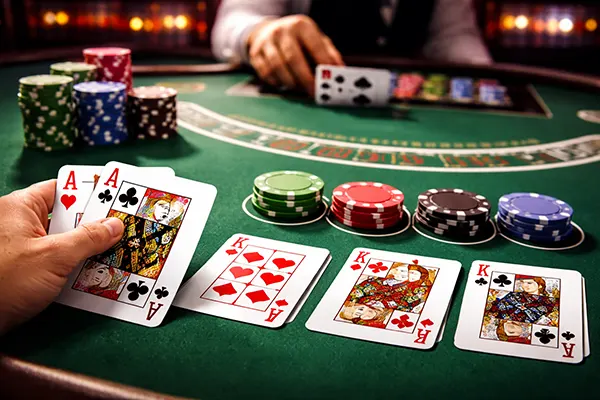
Blackjack Side Bets: When Extra Wagers Make Sense and When They Just Increase Variance
Blackjack side bets sit in a strange space: they look like harmless add-ons, but they often change the risk profile of your session more than the main game itself. In 2025, most online and land-based blackjack tables still keep the classic rules for the main hand, while side bets vary widely by operator and supplier. The key is understanding what you’re actually buying with a side bet: entertainment, a shot at a high payout, or a mathematically expensive distraction.
What Side Bets Really Are: Separate Odds, Separate House Edge
A side bet is not “part of blackjack” in the mathematical sense. It’s a separate wager resolved by its own paytable, usually based on your first two cards, the dealer’s upcard, or a small combination of both. That means the excellent baseline value of blackjack (especially with good rules) does not automatically carry over. You can play perfect basic strategy and still lose money quickly if your side bet has a steep house edge.
Most popular side bets in 2025 fall into a few families: pair bets (Perfect Pairs), poker-style comparisons between your first two cards and the dealer’s upcard (21+3), dealer-card bets (e.g., “Dealer Bust”), and jackpot-style progressive side bets. Each type has different variance, different expected cost, and different “fun value”. Treat them as optional mini-games rather than part of your core blackjack plan.
The biggest mistake is judging a side bet by its top payout. A 100:1 or 300:1 headline number feels attractive, but what matters is how often that result occurs and how the paytable is structured in the middle. Side bets are often tuned so that frequent small losses are traded for rare big wins, which can feel exciting but can also drain your bankroll faster than you expect.
House Edge vs Variance: Why Both Numbers Matter
Two concepts decide whether a side bet is sensible: house edge (expected loss over time) and variance (how wild the ride is). A side bet can have a moderate house edge but still produce big swings, or it can have a huge house edge while feeling “quiet” because it pays small amounts occasionally. Most players only notice the volatility and overlook the expected cost.
In general, many common side bets carry a house edge that’s significantly higher than a well-ruled blackjack game. A strong blackjack table can be close to 0.5% edge or lower with correct play, while side bets often sit several percent higher, and some can be much worse depending on the paytable. That gap is why side bets usually act like a turbo button on bankroll loss during long sessions.
Variance explains why some players swear side bets are “worth it”. If you hit a rare combination early, you can walk away ahead and feel validated. The maths doesn’t deny that big wins happen; it says that, across many sessions, the price paid for those wins is higher than most people realise. Sensible use means controlling both cost and volatility rather than chasing memorable hits.
Common Blackjack Side Bets in 2025 and How They Typically Pay
Side bets are often branded differently, but the mechanics repeat across casinos. Perfect Pairs pays if your first two cards are a pair, with higher payouts for coloured pairs (same colour) and perfect pairs (same suit). 21+3 uses your two cards plus the dealer’s upcard to form poker hands like flushes, straights, and three-of-a-kind. “Dealer Bust” bets pay if the dealer busts, usually with higher payouts for higher bust totals.
From a player’s perspective, the important detail is not the name but the paytable version. Two tables can both offer “21+3” and have different returns because one pays more for suited trips or straight flushes. The same goes for pair bets: the payout for a perfect pair might be 25:1 at one table and 30:1 at another, which changes the expected value. In 2025, it’s normal to see multiple paytables for the same side bet across different suppliers.
Progressive side bets deserve special caution. They may advertise a growing jackpot and show frequent small prizes, but the main draw is an extremely rare top hit. The expected value depends heavily on the seed amount, the current jackpot size, and the exact contribution rate. Without those details, you can’t judge whether the bet is merely expensive or mathematically unreasonable for most situations.
Paytable Red Flags: What to Check Before You Place Even One Chip
A sensible player checks three things: the payout for the rarest top event, the payouts for the “middle events”, and whether pushes are possible. Side bets often punish you through the middle. For example, a bet might advertise a strong top payout but underpay common results, which quietly increases the house edge.
Look for side bets where the structure feels “compressed”: many outcomes lose, a few outcomes pay tiny returns, and the only meaningful win is rare. That structure is what creates high variance and high cost. By contrast, the more a side bet pays for moderately likely events, the more it behaves like a consistent entertainment fee rather than a jackpot lottery.
Also watch for rules that reduce your odds without being obvious. Some 21+3 variants treat certain hands differently, or limit what counts as a straight. Pair bets can have slightly different definitions of mixed/coloured/perfect. If the casino doesn’t display the full rules clearly, that’s a practical reason to skip the side bet entirely, even before you consider the maths.
When Side Bets Can Make Sense (With Clear Limits)
There are situations where a side bet can be a reasonable choice, but “reasonable” means you accept it as a paid feature, not as a strategy to beat blackjack. The best use case is entertainment: you enjoy the added mini-game and you’re willing to pay for that enjoyment the same way you might pay for a premium table experience.
Another sensible use case is controlled “shot-taking”. You set a strict cap: a small, fixed amount per shoe or per session, and you stop regardless of whether you win. This approach prevents the side bet from dominating your bankroll swings. You’re essentially buying a limited number of high-variance spins inside your blackjack session.
A third situation is when the paytable is genuinely better than typical. This does happen. Certain versions of side bets have noticeably friendlier payouts, and occasionally a progressive jackpot grows large enough to improve the bet’s expected value. Even then, you should treat it as a special case and do the arithmetic rather than assuming every progressive is attractive.
Practical Bankroll Rules for Side Bets
If you choose to play side bets, separate your bankroll mentally. Decide what portion is for blackjack and what portion is for side bets, and don’t mix the two. A simple approach is to allocate a small percentage of your session budget to side bets and stop when that portion is gone. This keeps the main game from turning into a loss-recovery chase.
Keep the side bet size small relative to your main bet. Many experienced players use side bets as “one chip only” wagers, even when their main bet is larger. That reduces the damage when the side bet runs cold, which is the most common outcome over short and medium timeframes.
Finally, be wary of increasing side bets after a near-miss. Side bets are built around rare hits, so “I was close” is a psychological trap. Your odds do not improve because you missed last time. If the side bet is in your session plan, keep it consistent; if it isn’t, skip it rather than improvising under emotion.
The most popular articles
-
 Blackjack Insurance: When It Makes Mathema...
Insurance in blackjack is one of the most misunderstood side decisions at …
-
 Double Double Bonus Video Poker: Who This ...
Double Double Bonus Video Poker has been around for years, yet it …
-
 Side Bets in Baccarat: A 3-Step Sanity Fil...
Side bets in baccarat are marketed as small add-ons, yet in practice …